Our verdict
3.7 / 5
TULA skincare review: well-textured basics from $24, but the 'probiotic' is a lysate with no live cultures and the bestselling moisturizer has added fragrance.
Why we like it
- The Cult Classic cleanser is reasonably priced for a prestige brand: $34 for 6.7 oz at Ulta, which works out to roughly $5.07 per ounce
- Ulta's listing for the cleanser is upfront that it 'does not contain live cultures', and the full ingredient list is published
- Fragrance-free versions exist for the cleanser and a 1.5 oz size of 24-7 Moisture, which matters for reactive skin
- Formulas are built for feel: a mild-surfactant, low-foam gel cleanser and a squalane-based cream
Think twice if
- The standard 24-7 Moisture cream lists fragrance (parfum) plus linalool, hexyl cinnamal, benzyl benzoate and alpha-isomethyl ionone
- No concentrations are published for the 'S6Pro Complex' or any other headline ingredient
- Results claims rest on 31-subject studies, mostly self-assessment questionnaires
- Contains milk protein, lactose and yogurt powder, so it is not vegan and not ideal for anyone avoiding dairy derivatives
- The 'Spresso eye balm is $38 for 0.35 oz, more than $100 an ounce, for what is mostly a tinted, caffeinated stick
If you’ve already read our CeraVe review and thought “fine, but I want something that feels nicer on my face,” TULA is probably on your shortlist. It occupies a very specific slot: Ulta and Target shelf presence, prestige pricing, pastel packaging, and a gut-health origin story. The brand was founded in 2014 by Dr. Roshini Raj, a practicing gastroenterologist, alongside Bobbi Brown co-founder Ken Landis and tech entrepreneur Dan Reich. Procter & Gamble bought it in January 2022.
The pitch is that probiotics did something useful for the gut, so probiotic-derived ingredients should do something useful for skin. I spent years tracing ingredient supply chains before I started reviewing finished products, and “probiotic” is one of the words I learned to slow down on. So that’s where this review starts.
This review is an ingredient and value assessment, not medical or dermatological advice. If you have a diagnosed skin condition, talk to a dermatologist before changing your routine.
What “probiotic” means on a TULA label
The word on the front of the bottle is probiotics. The word in the ingredient list is bifida ferment lysate. Those aren’t the same thing.
A lysate is what’s left after bacteria are grown, then broken open and filtered. You get fragments, metabolites and cell components, not living organisms. That’s not a criticism of the ingredient. Bifida ferment lysate is a well-established cosmetic raw material, and it shows up in plenty of formulas from other brands, including some that charge a lot more than TULA does. But it means nothing in the bottle is “colonizing” your skin, and nothing is “balancing your microbiome” in any sense you could measure at home.
To TULA’s credit, it doesn’t hide this. Ulta’s page for the Cult Classic cleanser states it “does not contain live cultures.” The brand’s marketing now leans on the phrase “probiotic extracts,” which is accurate. My problem is the proprietary blend name, S6Pro Complex, described as a blend of prebiotics and probiotic extracts. A blend name with no percentages tells you what’s in it but not how much. Looking at where bifida ferment lysate and the prebiotics (inulin, chicory root extract) fall in the published lists, you can’t tell whether they’re a meaningful share of the formula or a label-claim dusting.
In a year when The Ordinary and Paula’s Choice print percentages on the front of the box, “proprietary complex” reads as a step backward.
The products people actually buy, priced out
Most people come to TULA through three products. Here’s what they cost as of October 12, 2026, from the brand’s own site and Ulta. Prices and sizes change often, and TULA runs frequent promotions. When I checked tula.com, several bundles were 20-33% off, so don’t treat these as fixed.
| Product | Size | Price | Per ounce | Fragrance |
|---|---|---|---|---|
| The Cult Classic Purifying Face Cleanser | 6.7 oz | $34 (Ulta) | ~$5.07 | Fragrance-free version sold |
| The Cult Classic, standard | 4.2 oz | $24 (Ulta) | ~$5.71 | Check label |
| The Cult Classic, travel | 1.7 fl oz | $14 | ~$8.24 | Check label |
| 24-7 Moisture Hydrating Day & Night Cream | 3.4 oz | $88 (Ulta) | ~$25.88 | Contains fragrance |
| ‘Spresso Energizing Eye Balm | 0.35 oz | $38 | ~$108.57 | Check label |
| 24-7 Moisture Luminous (newer variant) | Size not shown on tula.com listing | $58 | Not calculable | Check label |
Ulta’s Replenish & Save takes 5% off the first and recurring orders on the cleanser and the 3.4 oz cream. I saw coupon sites claiming TULA’s own auto-delivery offer is far larger, but I couldn’t confirm the terms on tula.com itself, so I’m not counting it.
For context, the CeraVe Moisturizing Cream we reviewed is $14.99 for 12 oz, about $1.25 an ounce. TULA’s cream costs roughly twenty times as much per ounce. Some of that gap is real: different texture, peptides, squalane. Most of it is brand, packaging and retail margin.
Cost per use, roughly
These are my estimates, not brand figures. A 6.7 oz bottle is about 198 ml. If you pump about 1 ml per wash, that’s around 200 washes. At $34, that comes to roughly 17 cents a wash, or a little over three months of twice-daily cleansing. That’s honestly fine for a prestige cleanser.
The 3.4 oz cream is about 100 ml. If you use about 0.5 ml per face application twice a day, it lasts around 100 days, which works out to roughly 88 cents a day. That’s a premium price for a daily moisturizer, and it buys no published active percentages.
The Cult Classic cleanser: the best thing TULA makes
If I were going to keep one TULA product, it would be the cleanser, and not because of the probiotic story.
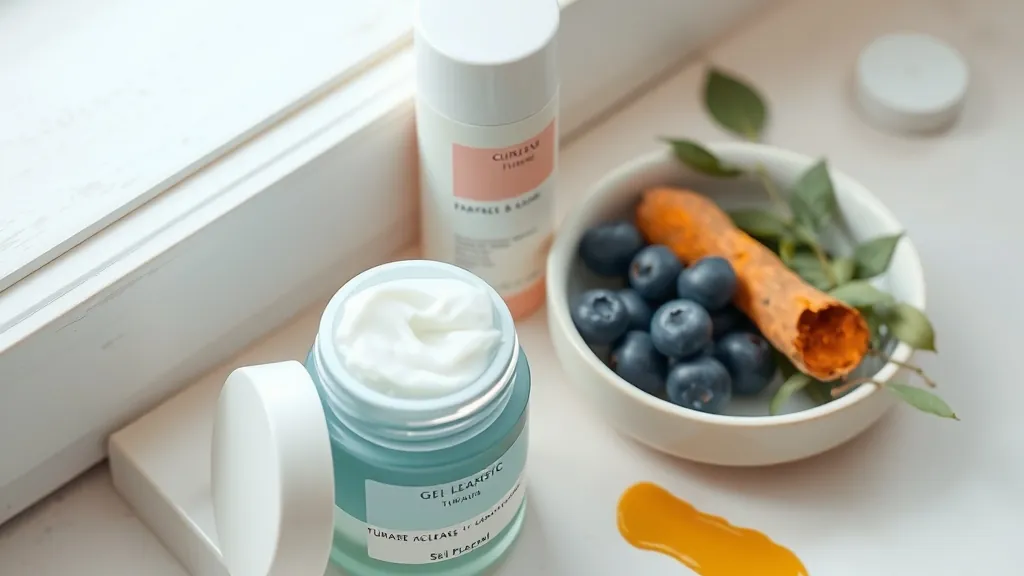
The surfactant system is the reason it works. It uses mild sulfosuccinate, glucoside and sulfoacetate-type cleansers rather than a harsh sulfate, buffered with glycerin, butylene glycol and panthenol. It’s a low-foam gel that rinses clean, and a surfactant blend like this is far less likely to leave the squeaky, tight feeling that cheaper sulfate-heavy foaming washes do. Turmeric root, green tea and blueberry extracts are in there too, along with camelina and safflower seed oils. Extracts in a rinse-off product get a minute of skin contact at most, so I’d treat them as sensory and marketing ingredients, not working ones.
One honest limitation: it isn’t a makeup remover. TULA says it removes makeup, but a critical Ulta reviewer found mascara survived even a double cleanse, which is what I’d expect from a mild gel with no oil phase. If you wear waterproof eye makeup, you’ll still need a balm or micellar water first.
The brand cites a 31-person study in which, by self-assessment, all 31 said their skin didn’t feel stripped after a week. That’s consistent with the formula, but 31 people answering a questionnaire is a consumer-perception survey, not evidence of a biological effect.
24-7 Moisture: nice texture, avoidable fragrance
TULA’s flagship cream lists prebiotics, hyaluronic acid, peptides, squalane, and apple and watermelon extracts as key ingredients. The texture is the selling point. It’s a medium-weight cream, and the squalane-plus-humectant base is the kind that usually sits well under sunscreen rather than pilling, which I can’t say for every gum-thickened peptide cream I’ve looked at.
Then there’s the fragrance. The standard 24-7 Moisture lists fragrance (parfum) plus four declared fragrance allergens: alpha-isomethyl ionone, benzyl benzoate, hexyl cinnamal and linalool. The brand’s own Q&A says it suits sensitive skin. Those two things can technically coexist, since plenty of people tolerate fragrance fine, but for anyone who already knows their skin reacts to scented products, a fragranced daily leave-on cream is a poor default. At least one Ulta reviewer with sensitive skin reported a rash and pointed to the fragrance.
TULA does sell a fragrance-free 1.5 oz version, and it’s the one I’d point most people to. It’s oddly limited to that one size, which raises the per-ounce cost for exactly the shoppers who need it most.
The clinical claim, “clinically proven to hydrate for 24 hours,” comes from an instrumental test on 31 subjects. That’s the strongest piece of evidence on the page, because it’s measured rather than self-reported. It also isn’t a high bar: almost any competent moisturizer with glycerin and an occlusive will register increased hydration over a day. The four-week claims about firmness and fine lines are 31-person self-assessments, and I’d give them very little weight.
The “clean” framing
TULA badges its products as made without a list of excluded ingredients, and retailers display a “Clean Ingredients” tag. “Clean” has no regulatory definition in the US. Each brand or retailer writes its own exclusion list, which is mostly a marketing exercise. For TULA, it’s especially muddled, because the standard 24-7 Moisture is labeled clean while carrying added fragrance and four declared fragrance allergens. Fragrance is the most common reason people react to leave-on skincare. Whatever list makes a fragranced cream “clean,” it isn’t built around irritation risk.
The dairy question deserves a flag too. The cleanser contains milk protein, lactose and yogurt powder, and the 24-7 cream contains milk-derived ingredients as well. The brand’s Q&A confirms these products are not vegan. Nothing about that is unsafe for most people, but if you avoid animal-derived ingredients, TULA’s core line is out.
The ‘Spresso eye balm: where the packaging premium shows most
At $38 for 0.35 oz, the ‘Spresso Energizing Eye Balm costs more than $100 an ounce. It’s a swipe-on stick with caffeine, probiotic extracts and a tint, in four shades. Caffeine can make the under-eye area look less puffy for a while, and the tint does the rest of the visible work. That’s a cosmetic effect, which is fine as long as you price it like one. The twist-up stick and the shade range are what you’re paying for. If de-puffing is the goal, a cold spoon and a plain caffeine serum from a percentage-labeling brand cost a fraction of this.
How it compares to what you’d buy instead
- Versus CeraVe: CeraVe beats TULA on value and on fragrance-free defaults. TULA beats CeraVe on texture and how a product feels to use daily. If your skin is reactive, CeraVe is the safer starting point. If your skin is easygoing and you’ll actually use a moisturizer you enjoy, TULA’s fragrance-free cream is a reasonable upgrade.
- Versus The Ordinary: These are different philosophies. The Ordinary sells one stated active per bottle at a stated strength. TULA sells finished, pleasant formulas with undisclosed amounts. If you want to know what you’re dosing, TULA can’t give you that.
- Versus other prestige “microbiome” brands: Bifida ferment lysate is common across prestige skincare. TULA’s cleanser is cheaper per ounce than many of those brands’ cleansers, so if you specifically want that ingredient in a nice gel wash, TULA is a fair-value place to buy it.
Who TULA is for, and who should skip it
Reasonable fit: You have normal or combination skin without a fragrance sensitivity. You care more about texture and enjoying the routine than about measured active percentages. You buy on promotion. The cleanser is the safest buy in the line.
Skip it or choose carefully if:
- You’ve reacted to fragranced products before. Stick to the fragrance-free SKUs or go elsewhere.
- You’re vegan or avoid dairy-derived ingredients.
- You want to know concentrations. TULA won’t tell you.
- You’re trying to manage a diagnosed condition like acne, rosacea or eczema. That’s a conversation for a dermatologist, not a probiotic-extract cream.
Whatever you pick, patch-test new leave-on products on a small area for a few days before using them on your whole face.
The verdict
TULA is a competent prestige skincare line wrapped in a story that’s more interesting than its formulas. The probiotic angle comes down to a widely used ferment lysate with no live cultures and no published dose. The evidence is mostly 31-person questionnaires. The flagship cream is fragranced while the brand calls it suitable for sensitive skin. Underneath all that, the Cult Classic cleanser is a genuinely good, fairly priced gel wash, and the fragrance-free 24-7 Moisture is a pleasant cream if the price doesn’t sting.
Buy the cleanser on sale, choose the fragrance-free versions, and don’t pay a premium for the word “probiotic.” That gets you the best of TULA without overpaying for the parts that don’t hold up.
Your questions
Does TULA actually contain live probiotics?
No. TULA uses probiotic extracts, mainly bifida ferment lysate, which is a fermented and broken-down ingredient rather than living bacteria. Ulta's product page for the Cult Classic cleanser says plainly that it does not contain live cultures. That isn't a flaw on its own, but it isn't the same thing as a probiotic supplement.
Is TULA good for sensitive skin?
It depends on the product. The standard 24-7 Moisture cream contains added fragrance and several fragrance allergens, so sensitive or reactive skin is better served by the fragrance-free cleanser or the fragrance-free 1.5 oz 24-7 Moisture. Patch-test any new product on your inner arm or jawline for a few days first.
Is TULA vegan?
No. The Cult Classic cleanser and 24-7 Moisture both contain milk-derived ingredients such as milk protein, lactose and yogurt powder, and the brand's own Q&A on Ulta confirms they are not vegan.
Who owns TULA Skincare?
Procter & Gamble acquired TULA in January 2022. The brand was founded in 2014 by gastroenterologist Dr. Roshini Raj with Ken Landis and Dan Reich, and it was reported to keep operating as a separate team under P&G.
Is the TULA cleanser worth $34?
At about $5 an ounce for the 6.7 oz bottle, it's one of the better-value items in the line. It's still several times the cost of a drugstore gel cleanser, so you're paying for texture and feel, not for an active you can't find elsewhere.
Can TULA help with acne or rosacea?
TULA doesn't make treatment claims for skin conditions, and neither should a review. If you're managing acne, rosacea or eczema, a dermatologist is the right person to build a routine with, and fragrance-free options are the safer starting point.
SerumSavvy may earn a commission if you buy through links on this page; it never changes a verdict. This is general information, not medical advice — patch-test new products and see a dermatologist about persistent skin concerns.